
Can Chewing Gum Help Prevent Oral Cancer?
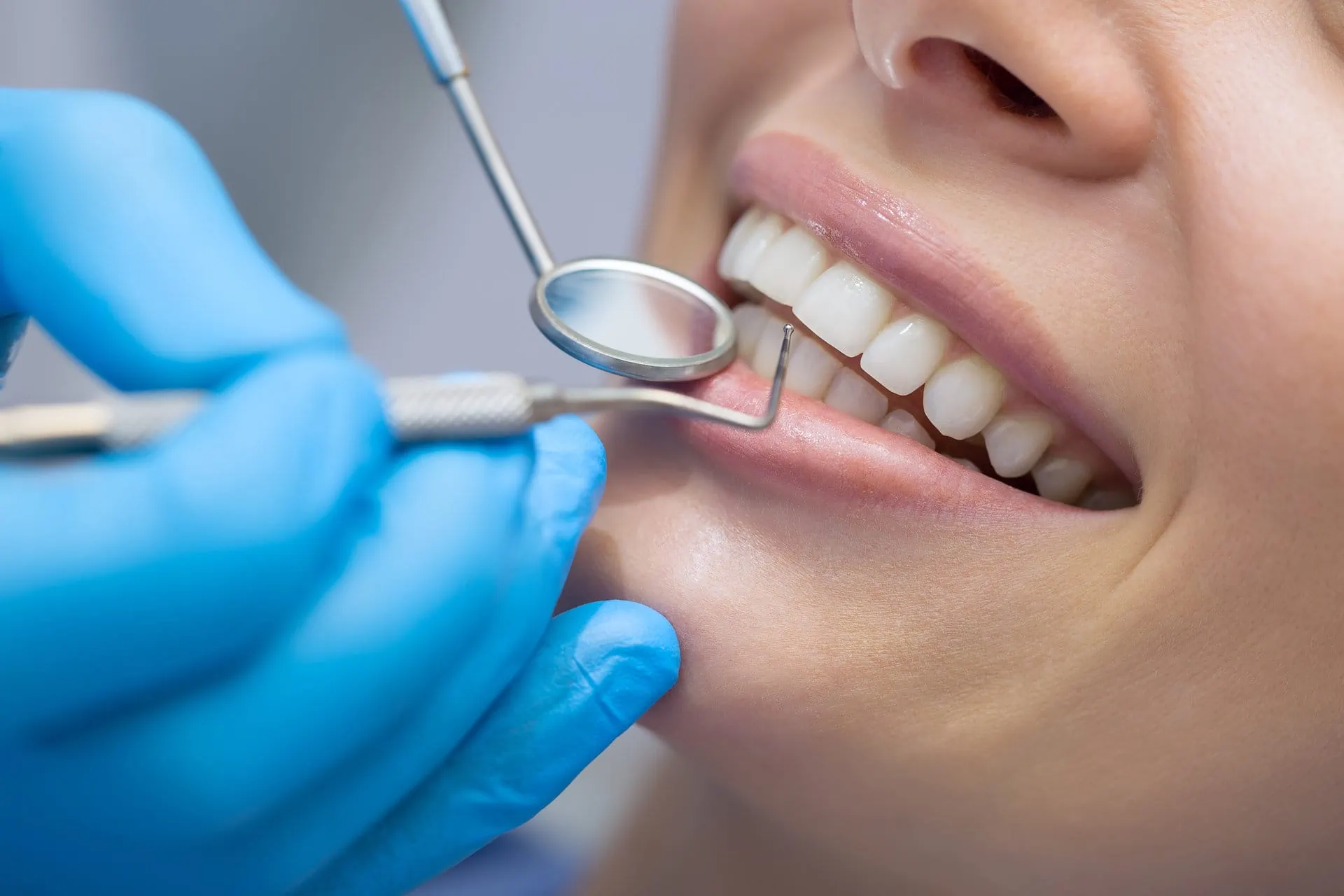
No chewing gum available today can prevent oral cancer. What researchers have shown is more specific and still early: a bioengineered chewing gum developed at the University of Pennsylvania sharply reduced three microbes associated with head and neck squamous cell carcinoma when tested on samples from patients.
The study, published in Scientific Reports and led by Henry Daniell at Penn's School of Dental Medicine, is promising. It is also laboratory work on collected saliva and oral rinse samples rather than a clinical trial in patients. The gum is not available to buy, and it does not replace screening or professional care.
At Brian Gurinsky, DDS, MS, Dr. Brian Gurinsky follows research like this closely because it reinforces something periodontists already act on: the microbes living in your mouth matter well beyond your gums.
What the Research Actually Found
The Penn team built on earlier work with a chewing gum made from lablab beans, which naturally contain an antiviral protein called FRIL. They measured three cancer-associated microbes in oral samples from patients with head and neck squamous cell carcinoma: human papillomavirus (HPV), and two bacteria, Porphyromonas gingivalis and Fusobacterium nucleatum.
Extracts from the bean gum reduced HPV levels by 93 percent in saliva samples and by 80 percent in oral rinse samples. When the researchers bioengineered the gum to also carry protegrin, an antimicrobial peptide, a single dose reduced the two bacteria to nearly zero.
One detail stands out clinically. The gum left beneficial oral bacteria intact. That contrasts with radiation therapy, which reduces helpful bacteria and can increase yeast overgrowth such as Candida albicans. A treatment that targets harmful microbes without stripping the rest of the oral environment would be a meaningful advantage.
Why HPV and Oral Bacteria Matter Here
The HPV Connection
Rates of oropharyngeal cancer have been rising, and that increase is linked to HPV infection. A product that lowered oral HPV levels could in theory reduce infection and transmission, which is why the researchers described the gum as a possible preventive approach alongside existing treatments.
The Bacterial Connection
Porphyromonas gingivalis and Fusobacterium nucleatum are not obscure organisms. P. gingivalis is one of the bacteria most closely associated with periodontal disease, and both species have been linked to worse outcomes in several cancers. This is part of why gum disease is treated as a whole-body issue and not a cosmetic one.
The Limits of This Research
It is worth being precise about what has and has not been shown.
- The testing was done on saliva and oral rinse samples, not in living patients over time.
- Reducing a microbe is not the same as preventing or treating cancer. That link has to be demonstrated separately.
- Clinical trials are the next step, and the researchers said so directly.
- The gum is not commercially available, and ordinary chewing gum has none of these properties.
Patients sometimes see a headline like this and delay an exam because a simpler solution appears to be coming. That is the outcome to avoid. Early detection remains the single most effective tool available for oral cancer today.
What Actually Lowers Oral Cancer Risk Right Now
While this research develops, the measures that have real evidence behind them have not changed:
- Avoiding tobacco in every form, including vaping and smokeless tobacco
- Limiting alcohol, particularly in combination with tobacco
- Discussing HPV vaccination with your physician, especially for younger patients
- Treating active gum disease rather than managing it at home indefinitely
- Annual oral cancer screening, which takes only a few minutes
An oral cancer exam checks the face, lips, mouth, throat, tongue, and neck for lumps, lesions, and tissue changes. It is painless and it is the part of your visit most likely to catch something while it is still small.
Why a Periodontist Pays Attention to This
As a board-certified periodontist, Dr. Gurinsky spends his day evaluating gum tissue, bacterial load, inflammation, and the soft tissues of the mouth. Patients with periodontal disease carry higher levels of exactly the bacteria this study targeted.
Controlling that bacterial burden is achievable now through periodontal therapy. Depending on the diagnosis, that may involve deep cleaning, pocket reduction therapy, or LANAP laser therapy, supported by consistent home care between visits.
Oral Cancer Screening in Denver and Centennial
Dr. Gurinsky sees patients at two locations. The Denver office is at 1141 18th St, Denver, CO 80202, serving Downtown Denver, LoDo, RiNo, Capitol Hill, Five Points, Cherry Creek, and the Highlands. The Centennial office is at 20250 E Smoky Hill Road #4, Centennial, CO 80015, serving Centennial, Southeast Denver, Aurora, Parker, Greenwood Village, Englewood, and Lone Tree.
You can find directions and hours on the Denver office page or the Centennial office page.
Schedule an Oral Cancer Screening
If you have a sore, patch, lump, or area of numbness in your mouth that has lasted more than two weeks, do not wait for it to resolve on its own. Have it evaluated.
Call the Denver office at 303-296-8527.
Can chewing gum prevent oral cancer?
No gum sold today prevents oral cancer. Researchers at the University of Pennsylvania have developed an experimental bioengineered gum that reduced HPV and two cancer-associated bacteria in laboratory testing on patient samples, but it has not been tested in clinical trials and is not commercially available.
What was in the experimental gum?
The gum was made from lablab beans, which naturally contain an antiviral protein called FRIL. A modified version also contained protegrin, an antimicrobial peptide that targets harmful bacteria while leaving beneficial oral bacteria intact.
Does regular sugar-free gum help my oral health at all?
Sugar-free gum, particularly with xylitol, can stimulate saliva flow and may help patients with dry mouth. That is a real but modest benefit related to moisture and acid buffering. It is unrelated to the cancer research described here.
How does gum disease relate to oral cancer risk?
Bacteria strongly associated with periodontal disease, including Porphyromonas gingivalis and Fusobacterium nucleatum, have also been linked to head and neck cancers and worse outcomes. Research has not established that gum disease causes oral cancer, but controlling periodontal infection reduces the bacterial burden in the mouth.
How often should I have an oral cancer screening?
An annual screening is appropriate for most adults, and more frequent monitoring may be recommended for patients with tobacco or alcohol history, previous lesions, HPV-related risk factors, or an area under observation.
.jpg)

.jpeg)